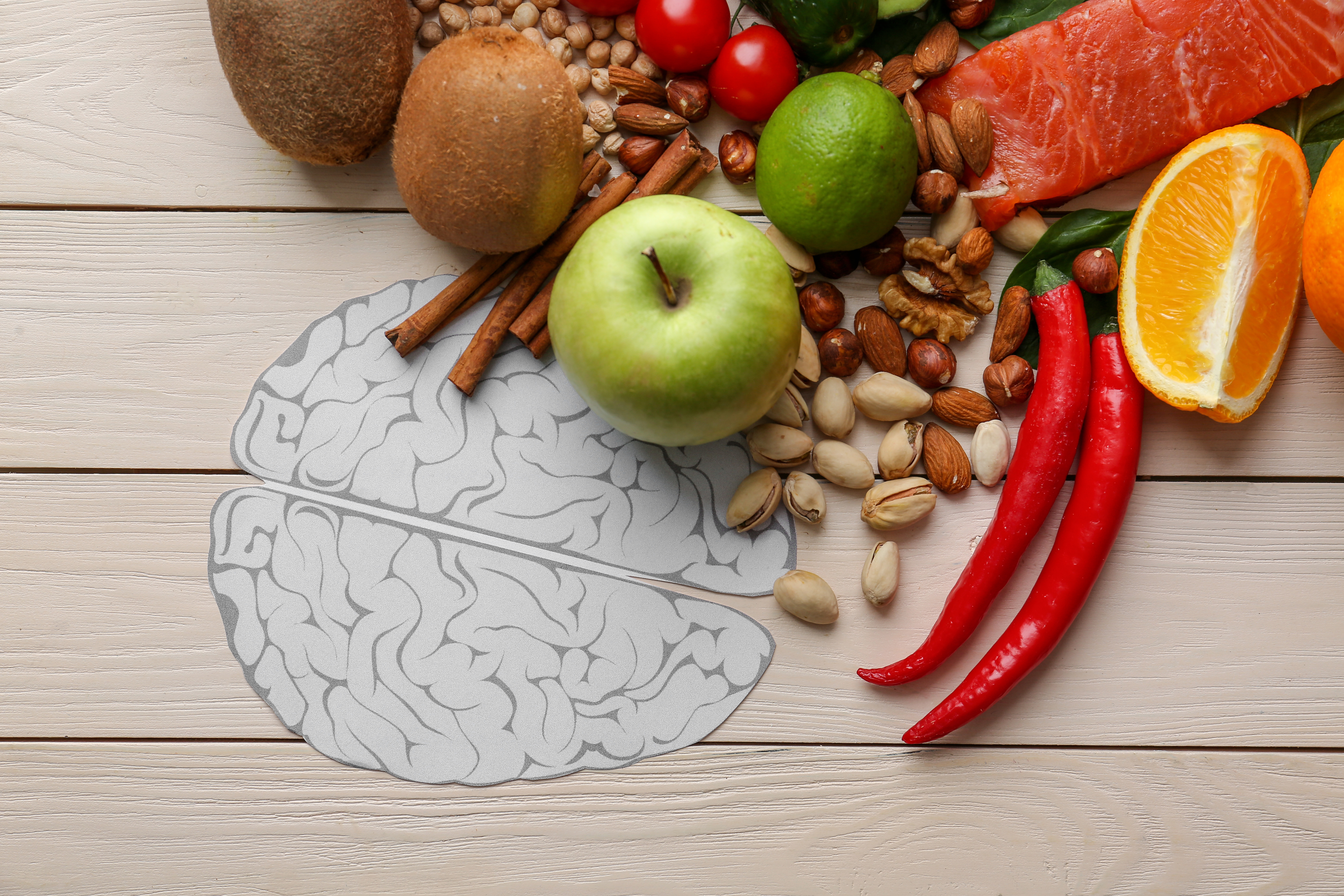
The role of healthy eating in feeling mentally and physically well
Wellbeing protective factors: Why eating habits matter
Discover how healthy eating habits act as a wellbeing protective factor. We explain some simple food choices and strategies to support mental health, resilience and balance.
We all know that what we eat can impact our physical health. But did you know there is increasing evidence that food and drink can also affect our mental health?
Alongside sleep and exercise, when we eat regular, balanced meals, we’re more likely to have steady energy, clearer thinking and greater resilience. On the flipside, unhealthy eating and drinking habits can make mental health symptoms worse.
Here we look at how your eating habits can be a wellbeing protective factor and how they can improve your mental health.
What are wellbeing protective factors?
Wellbeing protective factors are the habits, supports and activities in our lives that help us stay in the green zone[CW1] .
They include things like:
· Healthy eating patterns
· Regular sleep and exercise
· Strong social connections
· Work life balance[CW2]
When we work on these factors, it can help us stay in a place where life is good rather than where life feels tough. These wellbeing protective factors don’t mean you’ll never face challenges. But they make it easier to cope and maintain balance when things go wrong.
How eating habits affect wellbeing
There are a few elements to building healthy eating habits.
1. Eat a healthy diet
A healthy diet may include:
· Lots of fruit, vegetables, legumes and wholegrains
· Protein like chicken, eggs and dairy foods
· Small amounts of red meat
· Healthy fats including olive oil, nuts, seeds, oily fish, avocados, milk and eggs
· Fish/seafood
· Lots of water
See the Australian Guide for Healthy Eating for more ideas.
2. Eat regularly
When you don’t eat regularly, it can cause your blood sugar to drop, leading you to feel tired and bad-tempered. You’re also more likely to grab a convenience snack rather than a nutritious meal.
Eating consistently helps regulate moods and maintain good eating habits. You could start with regular meal dates with friends or family members. Share the responsibilities around so you can prepare the meal together before you sit down and eat.
3. Avoid processed foods
It’s easy to grab an afternoon snack of chocolate or chips. But many processed foods and refined carbohydrates can raise your blood sugar levels too quickly, which can increase your risk of symptoms of depression.
When you can, try to avoid foods like chips, biscuits, lollies, white bread, soft drinks and juice. Keep some fruit, whole-grain snacks and nuts around as a easy alternative.
4. Limit or avoid caffeine and alcohol
Caffeine is a stimulant and is in coffee, most teas, chocolate, cola and energy drinks. It’s addictive, can impact sleep patterns and can make some people feel more anxious.
On the other hand, alcohol is a depressant. Drinking too much increases your risk of some mental health conditions and can impair your judgement. It’s also addictive and can become a dependence, particularly in people with depression and anxiety.
While both substances are okay in moderation, often people find when life is getting rough, they rely on alcohol or caffeine more. To stay in the green zone[CW1] , keep your consumption in check and avoid them if possible.
5. Eat mindfully
Mindful eating is when we pay attention to our hunger and fullness cues and focus on the meal experience. The opposite is mindless eating, which is associated with anxiety, overeating and weight gain.
Instead of eating your meal in front of a screen, sit at the dinner table with friends or by yourself without distractions. Try to eat slowly, purposefully and savour each delicious bite.
Start slowly with positive eating habits
Healthy eating as a protective wellbeing factor doesn’t develop overnight. Stress, cost and time pressures can make it hard to get started and maintain.
Healthy eating habits aren’t about perfection. However, when you focus on small, consistent choices, you can strengthen both your physical and mental wellbeing and feel better.
References:
https://www.healthdirect.gov.au/food-drink-and-mental-health
https://pubmed.ncbi.nlm.nih.gov/37207947/
https://www.mentalhealth.org.uk/explore-mental-health/a-z-topics/diet-and-mental-health
https://nutritionsource.hsph.harvard.edu/mindful-eating/